How Swedish Oversight Influences Transaction Security Choices Across Live Blackjack and Slot Platforms
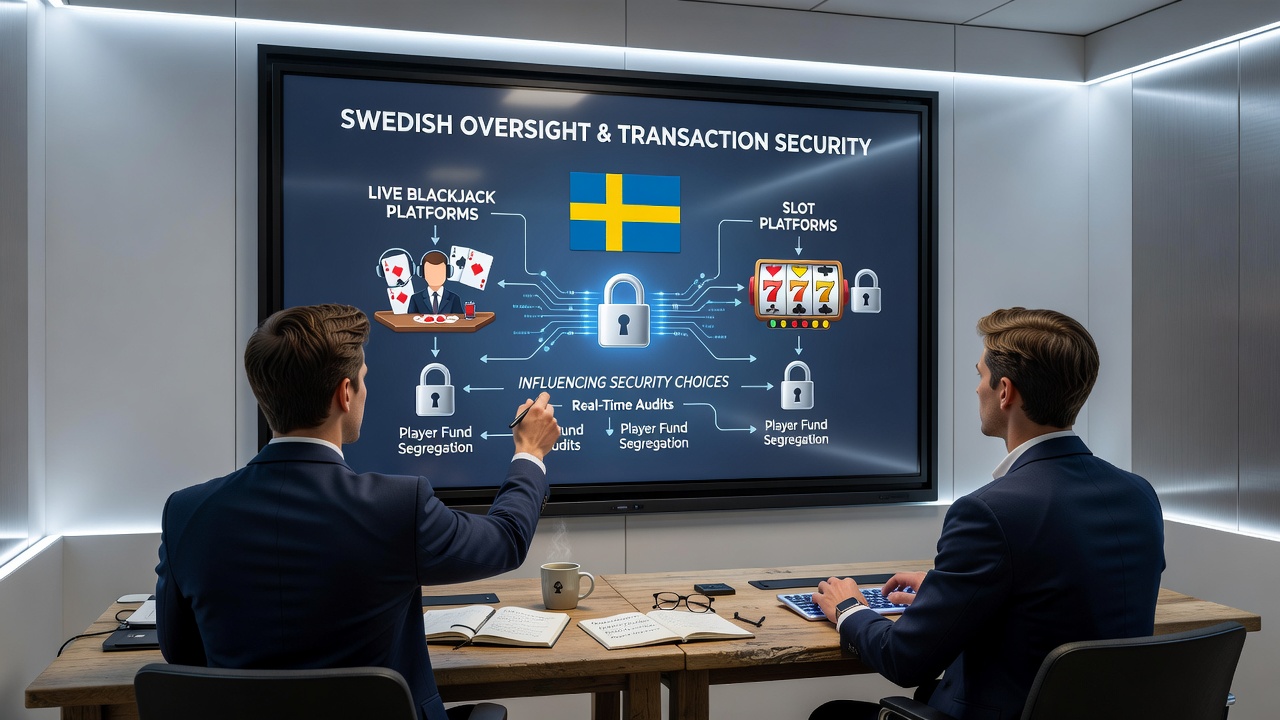
Swedish regulatory bodies maintain strict standards that shape how operators handle transaction security on live blackjack and slot platforms, and these rules require licensed entities to implement layered encryption protocols along with continuous monitoring systems that verify every deposit and withdrawal in real time. Data from government reports shows operators must align their payment gateways with national banking security benchmarks, which means choosing providers certified for anti-money laundering compliance becomes a core operational decision rather than an optional upgrade. Observers note that platforms offering live blackjack often integrate token-based authentication during card draws while slot systems emphasize automated session limits tied directly to verified accounts, creating distinct yet overlapping security architectures across both game types.
Regulatory Framework Driving Security Standards
Spelinspektionen enforces licensing conditions that mandate transaction logs remain accessible for audits, and operators respond by adopting end-to-end encryption that meets or exceeds standards set by international financial bodies. In October 2026 regulators introduced enhanced reporting intervals for high-volume transfers, prompting platforms to upgrade their fraud detection algorithms so they flag anomalies within seconds rather than minutes. Researchers discovered these changes led many operators to consolidate partnerships with a smaller pool of payment processors that already hold Swedish approvals, reducing integration risks while maintaining seamless gameplay across live dealer tables and automated reels. What's interesting is how these requirements extend to mobile interfaces, where biometric verification now pairs with traditional password systems to safeguard user funds during rapid slot spins or blackjack betting rounds.
Transaction Security Adaptations in Live Blackjack Environments
Live blackjack platforms face unique pressures because real-time betting demands instant fund movement between player accounts and game servers, which Swedish oversight addresses through mandatory multi-factor confirmation steps at each wager threshold. Experts have observed that operators frequently select PCI DSS Level 1 certified gateways to handle the volume of micro-transactions typical in these sessions, ensuring card details never touch the platform's own servers. Studies found that such choices also incorporate geofencing tied to Swedish IP ranges, adding another verification layer that prevents unauthorized access from outside regulated zones. And because blackjack involves dealer interactions, platforms integrate secure video feeds wth encrypted payment confirmations so players see both the game outcome and transaction status simultaneously without compromising data integrity.
Security Choices Shaping Slot Platform Operations
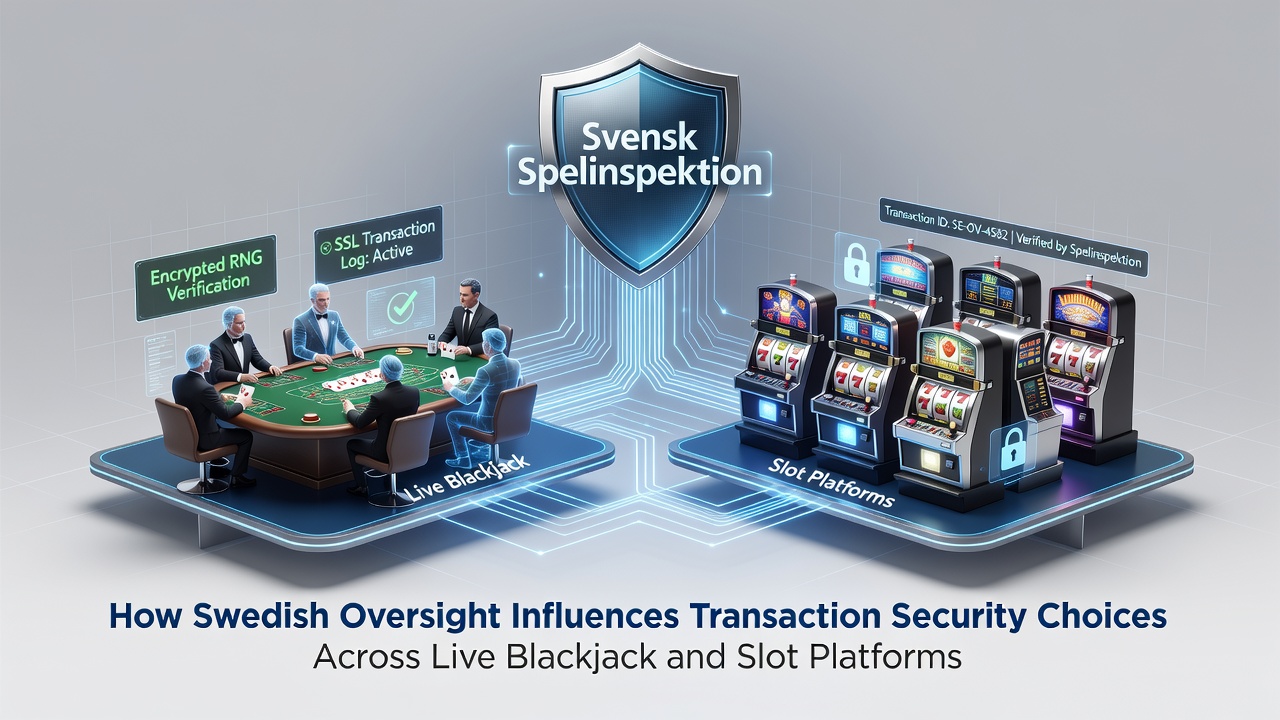
Slot platforms adapt to the same oversight by prioritizing automated payout systems that trigger only after algorithmic checks confirm player identity and spending patterns, and these mechanisms often rely on randomized number generators synchronized with secure timestamp servers to prevent tampering. Data indicates many operators have shifted toward open banking integrations that allow direct account transfers without storing sensitive banking details on the platform, a move that aligns with Swedish directives on data minimization. Those who've studied this space note that slot operators tend to favor processors offering real-time risk scoring, which helps maintain compliance during promotional events or bonus rounds where transaction spikes occur. But here's the thing: these security preferences also influence game design, as developers build in-session spending caps that reset according to verified account history rather than player preference alone.
Comparative Impacts Across Game Categories
Live blackjack and slot environments share core security mandates yet diverge in implementation details, with blackjack emphasizing continuous authentication during dealer exchanges while slots focus on batch processing for high-frequency small bets. Evidence suggests both categories benefit from centralized blacklists maintained by regulators, which block transactions involving flagged accounts across all licensed platforms simultaneously. Academic sources such as reports from the Australian Gambling Research Centre highlight how similar oversight models in other regions produce comparable shifts toward verified payment rails, and Swedish operators apply these lessons by requiring third-party audits of their security infrastructure at least twice yearly. Operators in turn adjust vendor selections based on audit outcomes, favoring those with proven track records in high-scrutiny jurisdictions like parts of Canada or the European Economic Area.
Future Directions Under Continued Oversight
Regulatory updates continue to push platforms toward quantum-resistant encryption testing, and early adopters among Swedish licensees report smoother compliance audits when they incorporate these technologies ahead of formal deadlines. Government data reveals transaction dispute rates have declined steadily since stricter verification rules took effect, demonstrating measurable effects on player trust metrics across both blackjack and slot offerings. Platforms that align their security architecture with these evolving expectations gain operational flexibility, allowing them to expand game libraries without reconfiguring core payment systems from scratch.
Conclusion
Swedish oversight establishes clear parameters that guide transaction security decisions on live blackjack and slot platforms, resulting in standardized yet adaptable systems that prioritize encryption, verification, and audit readiness. Operators navigate these requirements by selecting approved technologies and partners, which shapes the daily experience for users engaging with either game format. As monitoring protocols advance, platforms maintain compliance through ongoing refinements to their payment infrastructure, ensuring regulatory alignment remains central to operational planning.